I slowly shake my head before I can catch myself.
My countenance forms the picture of defeat… or is this sadness, as I watch a video my friend shared.
A video I know he’s quite proud of and all for the right reasons.
So why am I sad about it, am I just being a hater?
In the video he is in training to be a fireman. The fire truck is parked up and someone is holding the firehose with water gushing from the opening.
Why am I sad about a friend training to become a fireman? Girl what’s going on?
Let’s take it back to a video I watched five days ago.
A video that was supposed to explain how greed, stemming from one company’s decisions apparently polluted the whole world.
The whole world? That’s a stretchhhhhhhh
When I first came upon this video, I thought it had the potential to engage me enough to keep me entertained while cooking, but not too engaged that I would be all consumed and burn my food. A good option I thought as I pressed play.
After getting about 15-20 minutes into the video I realized that this was my introductory deep dive into what we have affectionately termed “Forever Chemicals” or Per- and Polyfluoroalkyl Substances (PFAS). I also learned that firemen were at a higher rate of exposure to these chemicals than the average non fire-fighting human because these chemicals are used in fire extinguishing agents.
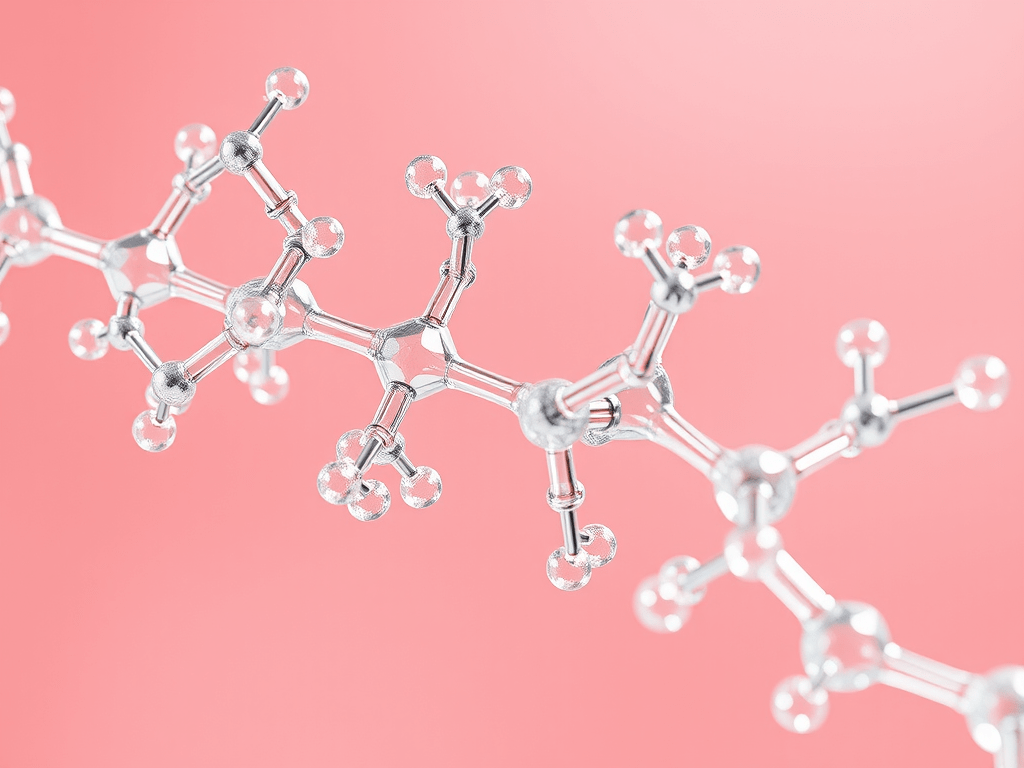
Per- and Polyfluoroalkyl Substances (PFAS) are a large complex group of synthetic chemicals that have been used in consumer products around the world. PFAS molecules have a chain of linked carbon and fluorine atoms. (National Institute of Environmental Health Sciences)
A more scientific definition of PFAS according to the Journal of Environmental Science and Technology defines them as fluorinated substances that contain at least one fully fluorinated methyl or methylene carbon atom (without any H/Cl/Br/I atom attached to it).
PFAS is found in almost everything that is around us. It is used in non-stick pans (the substance that makes it non-stick), it is used in our carpets (the thing that makes carpets stain resistant), it is found in clothing (used to make fabrics water resistant), and it is also found in our food containers and wrappers (pizza boxes and burger wrappers). These chemicals have become an integral part of our lives with very ingrained household use cases.
Had they been useful and remained outside of our bodies, that might’ve been okay and these forever chemicals might not have been on the popularity rise, but that’s not the case. PFAS swung on us to get their moment (more like lifetime) of stardom. They wanted Hollywood fame (or even bigger).
Studies have shown that there is a high positivity rate of PFAS within the bloodstream of those individuals residing in the United States. It was found that PFAS enters our bodies by consumption, dermal contact, and even by inhalation. (Environmental International Journal, 2020)
PFAS in the body is harmful. Studies have shown that there is a connection between PFAS and varied negative health effects. Some of these are insulin dysregulation, liver and kidney disease, adverse reproductive effects, decreased immune function, altered thyroid function and cancer. (Environmental Toxicology and Chemistry, 2020)
This post only scratches the surface of the available information there is on PFAS, and these studies are still emerging and changing as more research and tests are put toward the subject. The PFAS risk is still developing, regulations are still being constructed to best combat these chemicals, and we are still learning at what level the amount of PFAS in our bloodstreams become a significant danger to us.
You can check out the list of references to gain more details on the points mentioned above as well as this flyer by the Environmental Protection Agency
Stay aware, and let’s keep risking it all together!
References
Wang, Zhanyun, et al. “A new OECD definition for per- and polyfluoroalkyl substances.” Environmental Science & Technology, vol. 55, no. 23, 9 Nov. 2021, pp. 15575–15578, https://doi.org/10.1021/acs.est.1c06896.
Fenton, Suzanne E., et al. “Per- and polyfluoroalkyl substance toxicity and human health review: Current state of knowledge and strategies for informing future research.” Environmental Toxicology and Chemistry, vol. 40, no. 3, 5 Oct. 2020, pp. 606–630, https://doi.org/10.1002/etc.4890.
“Perfluoroalkyl and Polyfluoroalkyl Substances (PFAS).” National Institute of Environmental Health Sciences, U.S. Department of Health and Human Services, www.niehs.nih.gov/health/topics/agents/pfc. Accessed 9 Aug. 2025.
Poothong, Somrutai, et al. “Multiple pathways of human exposure to poly- and perfluoroalkyl substances (pfass): From external exposure to human blood.” Environment International, vol. 134, Jan. 2020, p. 105244, https://doi.org/10.1016/j.envint.2019.105244.
 Risking It All
Leave a comment